
Wayward Gourmet Finds

Savoring the Story: How to Bring Gourmet Flavors to Your Home Kitchen

The secret to a Michelin-star experience doesn’t always lie in the equipment of a professional kitchen, but in the philosophy of the ingredients and the precision of the technique.

The Art of Mis-en-Place: Why Preparation is Gourmet’s Soul

The translation is simple enough: “everything in its place.” But the power of this practice is transformative. When you organize your ingredients, you aren’t just tidying up; you’re creating a rhythm that allows for culinary intuition to take over.

  • Standardize your cuts: Uniformity ensures even cooking.
  • Temperature control: Room temperature proteins sear better.
  • The “Clean As You Go” rule: A clear counter means a clear mind.

Plating as Performance: Elevating Your Presentation

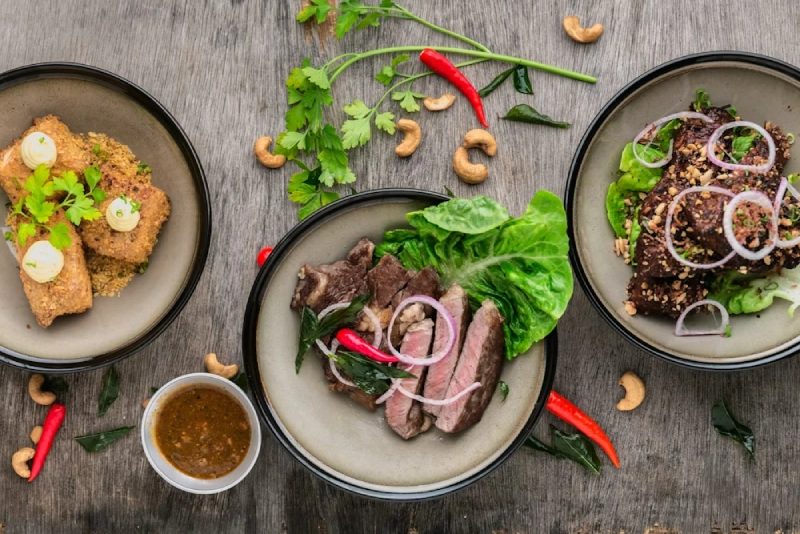
We eat with our eyes first. A simple pasta dish can go from “home meal” to “gourmet experience” just by choosing the right vessel and playing with height. Use negative space on the plate-it allows the main ingredient to breathe and highlights the textures you’ve worked hard to create.

“Cooking is like painting or writing a song. Just as there are only so many notes or colors, there are only so many flavors-it’s how you combine them that sets you apart.”

The Power of Global Pantry Staples

A gourmet pantry isn’t necessarily expensive, but it is curated. High-quality olive oils, aged vinegars, and artisanal salts are the building blocks. These are the tools that provide the finishing touches-the “bright” notes of acidity or the “depth” of umami-that define professional cooking.

Case Study: The Perfect Demi-Glace

The difference between a sauce and a masterpiece is patience. Reduction is the ultimate test of a chef’s restraint. By allowing flavors to concentrate over hours rather than minutes, you achieve a silkiness that no thickener can mimic.